





Search Suggestions
Categories
Products
View All Results
Search Suggestions
Categories
Products
View All Results

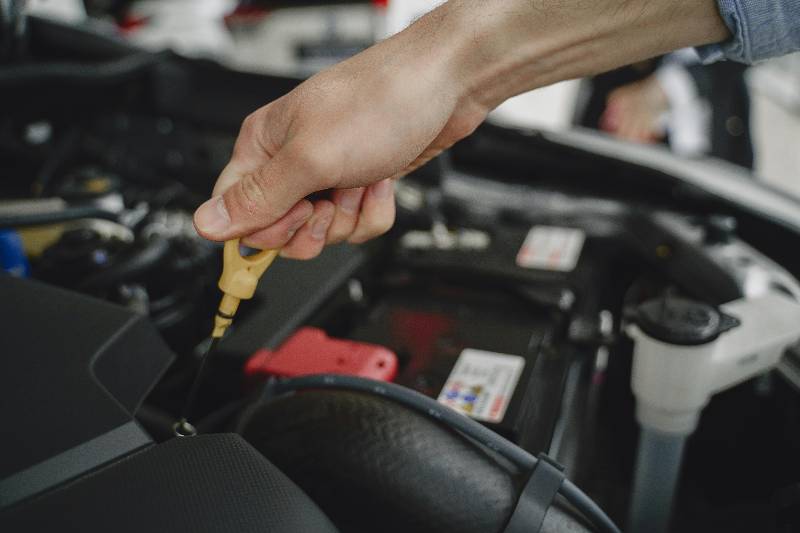
Engine oil is the lifeblood of your car. It doesn't just keep your engine lubricated and protected from wear and tear, but it helps cool and clean it too. Without enough oil, your car is at risk of overheating and experiencing severe engine damage, or even total engine failure. That’s why keeping an eye on your oil level is crucial.
But when should you check the engine oil level in your vehicle? And how often should you top it up, or change it altogether? In this guide, we’ll tell you everything you need to know, including how to perform an oil check yourself at home — don’t worry, it's probably much easier than you think!
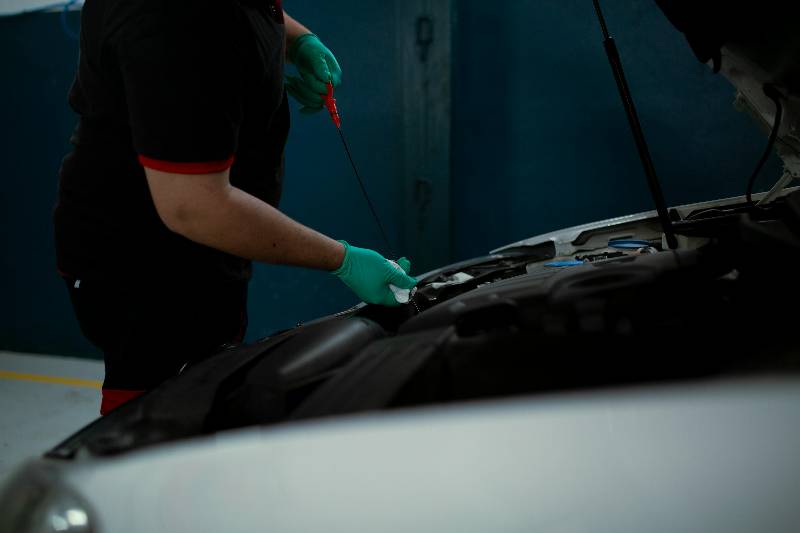
How often you should check your engine oil level depends on a few different factors, including how often you drive and how far you tend to travel. As a rule of thumb, you should check your engine oil every few weeks at a minimum. If you drive in harsh conditions, your vehicle has a high mileage (over 100,000 miles), or it is on the older side (around 15 years or older), it’s best to check it every other week. You should also check your engine oil before every long journey — anything over 100 miles or two hours of driving time. You also find that certain engines, often ones with variable valve timing, tend to burn a lot of oil, so they need regular checks.
Even if you check your oil frequently, some symptoms may indicate an issue with your oil. Keep an eye out for the following:
It usually doesn't matter what time of day you check your engine oil, unless the weather is particularly warm. In that case, it’s best to check oil levels in the morning or evening rather than the middle of the day when the engine is at its hottest. But no matter the weather, always give your engine time to cool down before checking the oil, not just for safety, but also to get the most accurate reading. If your engine has just been running, wait at least 10 minutes before checking the oil. However, don’t wait too long after driving, as the best time to check the temperature is when the oil is warm, but not hot. Between 40°C and 60°C, the oil flows more smoothly, which gives you a more accurate dipstick reading.

You know the when, but what about the how? Fortunately, doing an oil check is one of the easiest car maintenance tasks you can do. All you need is a cloth or some kitchen roll to clean up any spilled oil, as well as the correct oil and a funnel if you need to do a top-up.
To perform an engine oil check, follow these simple steps:
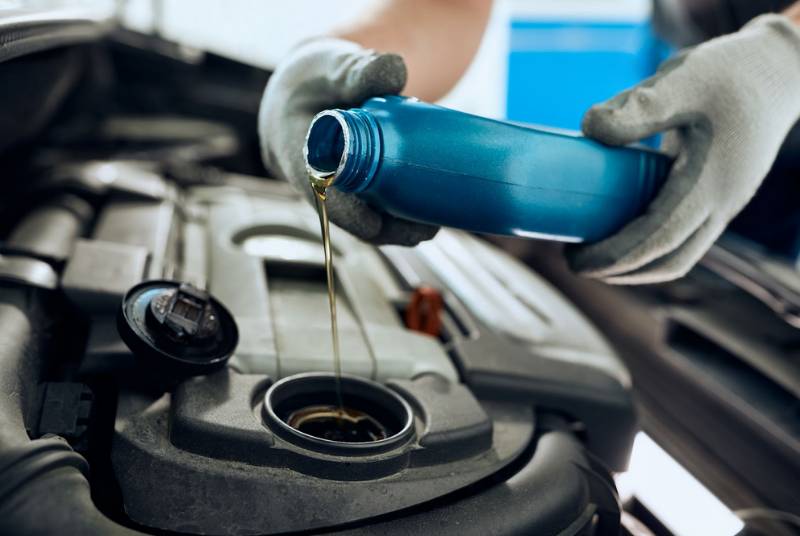
The simple answer is you should top up your engine oil whenever the oil level gets too low. But how low is too low? Anything below the minimum mark on the dipstick is considered too low and will definitely need topping up. Even if it is above the minimum mark, it's best to top it up if it is closer to the minimum line than the maximum, especially in the summer when the hot weather tends to make the oil thin down quicker.
Always use the correct grade and viscosity as specified in your owner's manual to top up your oil. Using the wrong oil can affect engine performance and protection, so double-check before adding any. You can read our oil grades and viscosities guide to find out more. For best results, top up with the same brand of oil already in the engine. Even oils with the same viscosity can vary slightly between manufacturers, so avoid mixing if possible.
When it comes to how often you should top up your engine oil, you can expect to do this anywhere from every few weeks to every few months, or every 1,000 to 2,000 miles. Older cars with higher mileage can need a top-up more often, while more modern engines don't require top-ups very often at all. That being said, you should still keep an eye on your oil level consistently so you can spot any issues before they spiral. If you need to top up more than every few weeks, it's worth taking your car to the garage for a check.
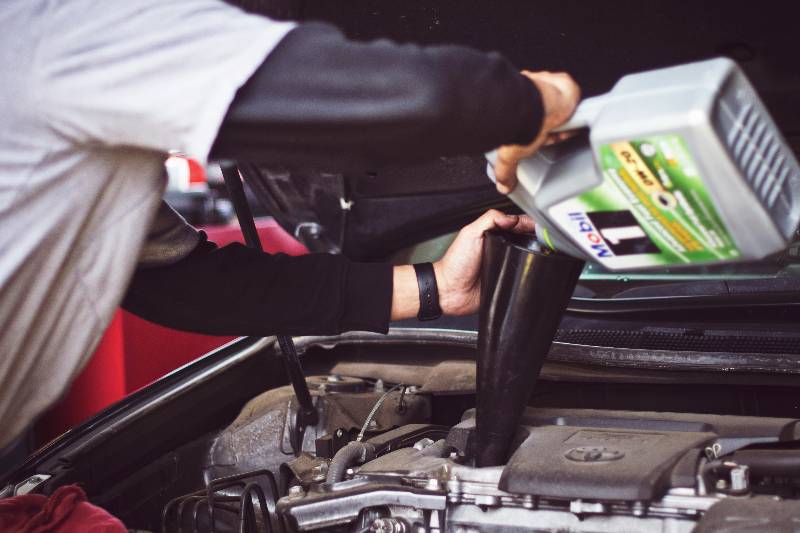
Wondering how often to change the engine oil in your car? The best place to start is with the car handbook or onboard computer as that will give you an indication of service intervals. However, that is just a guideline and not necessarily the best time.
If you do a lot of shorter trips where the engine rarely gets up to temperature, the oil will end up with a lot of fuel and moisture building up, which ruins it. If it’s mainly used for sensible motorway driving, you may be able to stretch out the service intervals to a little longer than the manufacturer suggests. Most modern cars have a standard service interval of 10,000 – 12,000 miles or annual changes, but some will have a variable schedule, which can be up to 2 years or 24,000 miles.
However, certain conditions can make engine oil break down faster and collect more debris, which means it may need to be changed more frequently. In older cars or vehicles with worn piston rings, oil can become contaminated more quickly. The same goes for cars that are regularly driven on dusty or dirty roads, such as old country lanes or off-road tracks.
Even if you have a modern engine and aren’t driving in these dusty conditions, your car may give you signs that it is time to change your engine oil. These include:
Many drivers don't need to change engine oil themselves and instead get it done as part of their annual car service. This isn’t all too surprising, as only 36% of drivers feel confident enough to do this themselves, according to a Group 1 Automotive survey. However, it’s actually an incredibly straightforward task once you know what you’re doing, so it’s well worth giving it a go yourself. Read our step-by-step guide on how to change your car engine oil to see just how simple it is.

We now know how often to check, change, and top up our oil. But is there any way to extend its lifespan? While oil won't last forever, there are a few ways to make it last a little longer. The best way is to check your oil levels regularly so you can get on top of any small issues before they spiral into larger ones.
Always make sure you're using the correct engine oil for your vehicle. You can find the exact viscosity you need in your handbook, or use our handy engine oil lookup. Simply pop in your reg number, make, and model, and we’ll show you the oils compatible with your engine. When topping up, be careful not to overfill, as too much oil can create excess pressure and cause leaks or damage to seals — always stay below the maximum line.
Not only is it vital to choose the right oil, but to store it well, too. Exposure to heat, moisture, or air can cause the oil to degrade before it’s even used, making it less effective at protecting your engine. Always keep engine oil in a sealed container and store it in a cool, dry place away from direct sunlight or heat sources.
As well as changing your engine oil on time, you should also change your oil filter when needed. The oil filter is essential for removing debris and contaminants from your engine oil to extend its lifespan. It is best to change your filter every time you change your engine oil to ensure the new oil stays clean.
It isn't just car maintenance that can impact the lifespan of your engine oil, but your driving habits, too. For starters, make sure to warm your engine up properly on every drive. Cold oil doesn't lubricate as effectively and needs a little time to warm up, so avoid hard acceleration right after starting. Instead, drive smoothly and gently for the first few miles to give the oil time to warm up. Avoid aggressive driving or constant stop-start traffic when you can as well, as these put extra stress on your engine and accelerate oil breakdown. You should also avoid taking frequent short trips if possible, as doing these trips often stops the oil from reaching its optimal temperature, allowing condensation and contaminants to build up.
Now you know when and how to check your engine oil level, you can keep your engine in good condition for longer and avoid costly repairs and maintenance further down the line. And by doing your own oil top-ups and changes, you can grow your car maintenance confidence.
Here at Opie Oils, we’ve got everything you need to take care of your car’s engine, from high-quality fully synthetic, semi-synthetic, and mineral engine oil to engine parts like EGR valves, alternators, and engine cables.
Not sure which oil your car needs? Use our handy engine oil lookup to find the right match in seconds. And for even more car care advice, be sure to explore the rest of our vehicle maintenance and motor oil advice guides.